About 16 Sanskars in Hindu Dharma
16 Sanskars in Hindu Dharma के बारे में
The 16 Sanskars (षोडश संस्कार), also known as Shodasha Sanskaras, are a series of sacred rites of passage in Hindu Dharma that accompany the major events in a person's life journey. The word "Samskara" (संस्कार) is derived from the Sanskrit root "Sam-skri" meaning "to purify," "to refine," or "to make perfect."
These rituals are not merely religious ceremonies but are deeply rooted in Vedic tradition and represent a holistic system for human development. They aim to purify the individual at every stage of life, from before birth to after death, ensuring physical health, mental clarity, and spiritual growth.
While Vedic scriptures identify a total of 40 Sanskars, the 16 Shodasha Sanskaras are considered the most significant and are widely practiced across Hindu communities. These sacred rites blend elements of spirituality, psychology, health science (Ayurveda), and social tradition.
The 16 Sanskars serve as a roadmap for a righteous and meaningful life, helping individuals navigate life's transitions with awareness, gratitude, and divine blessings. Each Sanskar is performed with specific Vedic mantras and rituals, creating positive impressions (Samskaras) that shape character and destiny.
Historical & Cultural Context
ऐतिहासिक और सांस्कृतिक संदर्भ
The concept of Sanskars is rooted in ancient Vedic civilization, dating back over 3,000 years. References to various Sanskars are found in the Vedas, Upanishads, Grihya Sutras (domestic ritual texts), and Dharma Shastras (law codes).
The Grihya Sutras, composed between 600-300 BCE, provide detailed instructions for performing household rituals, including the Sanskars. Different Vedic schools (Shakhas) developed their own traditions, leading to variations in how Sanskars are performed across regions and communities.
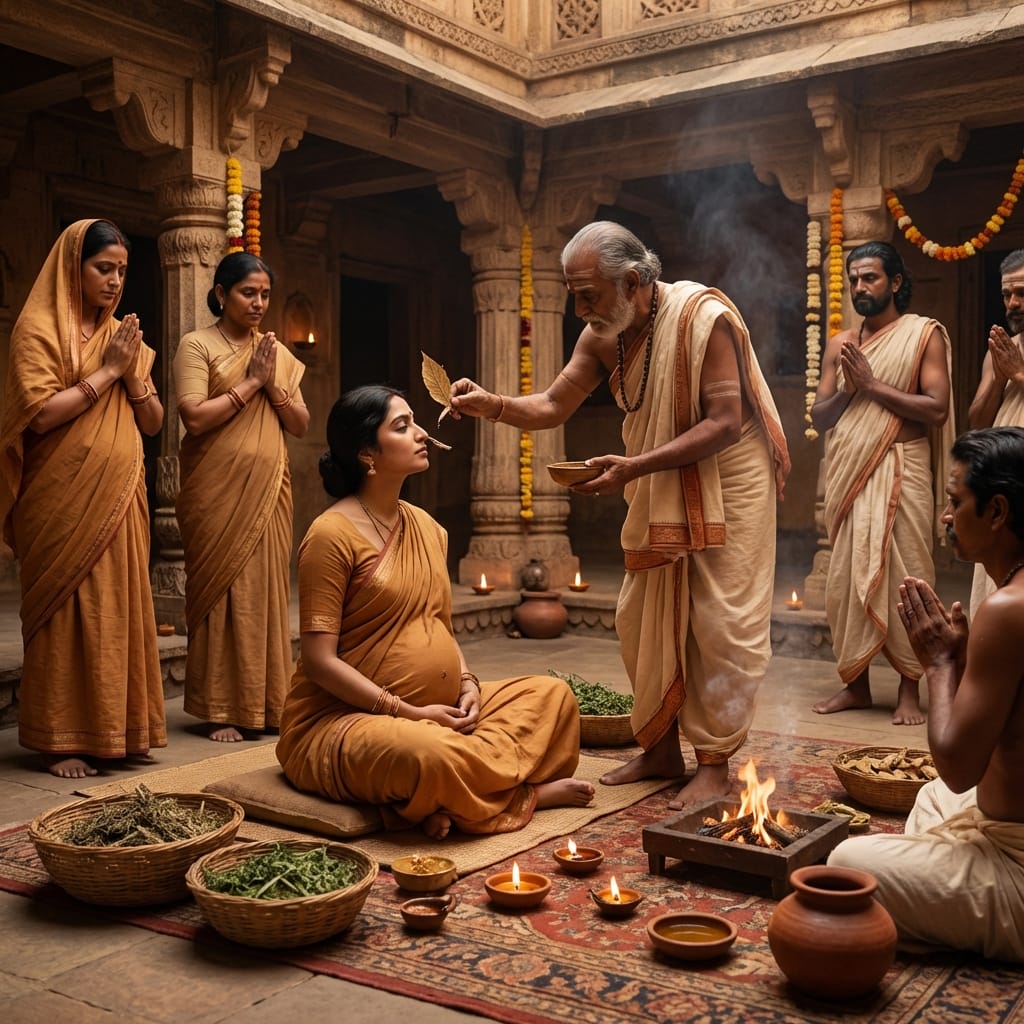
Historically, these rites were designed to sanctify every stage of life, from conception to death. They reflect the Vedic understanding that human life is sacred and that rituals can positively influence physical, mental, and spiritual well-being. The integration of Ayurvedic principles in prenatal and childhood Sanskars shows the holistic nature of this system.
In ancient times, Sanskars were performed by all members of society, though some were specific to the "twice-born" (Dwija) castes. Over the centuries, while some Sanskars have become less common, key ceremonies like Namakarana (naming), Upanayana (sacred thread), Vivaha (marriage), and Antyeshti (funeral) continue to be observed widely, maintaining the living tradition of Vedic culture.
Categories of the 16 Sanskars
16 संस्कारों की श्रेणियां
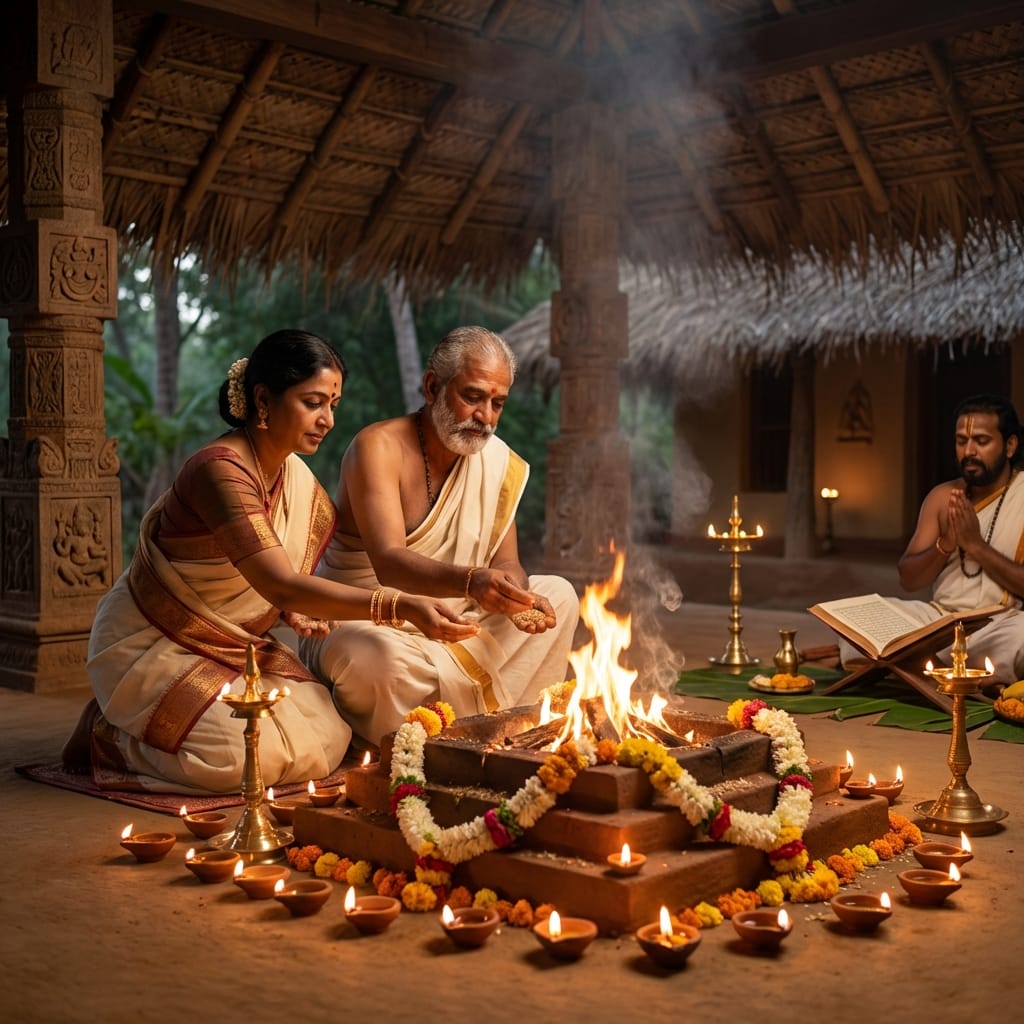
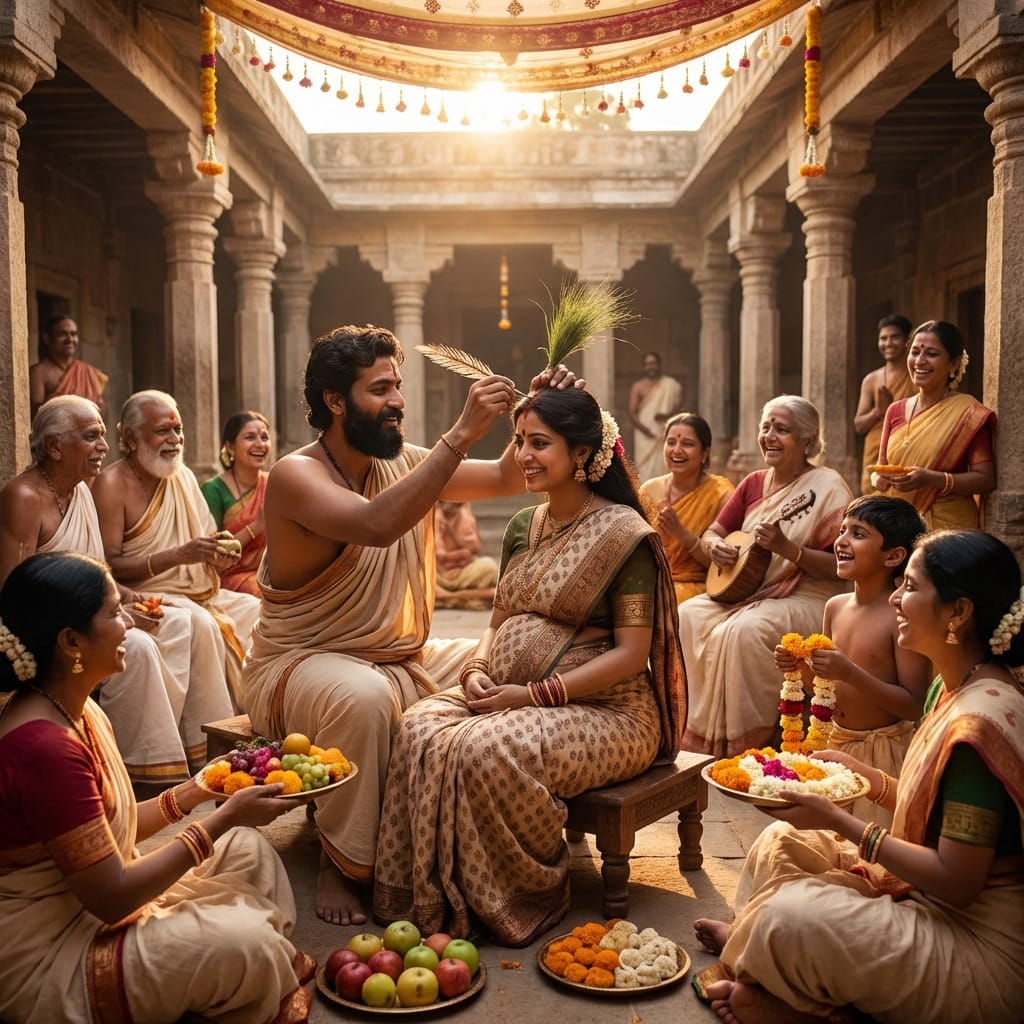
Pre-natal Sanskars (Garbha Sanskars)
गर्भ संस्कार
Three Sanskars performed during pregnancy to ensure the physical and spiritual well-being of both mother and child: Garbhadhana (conception), Pumsavana (fetal protection), and Simantonnayana (mental development).
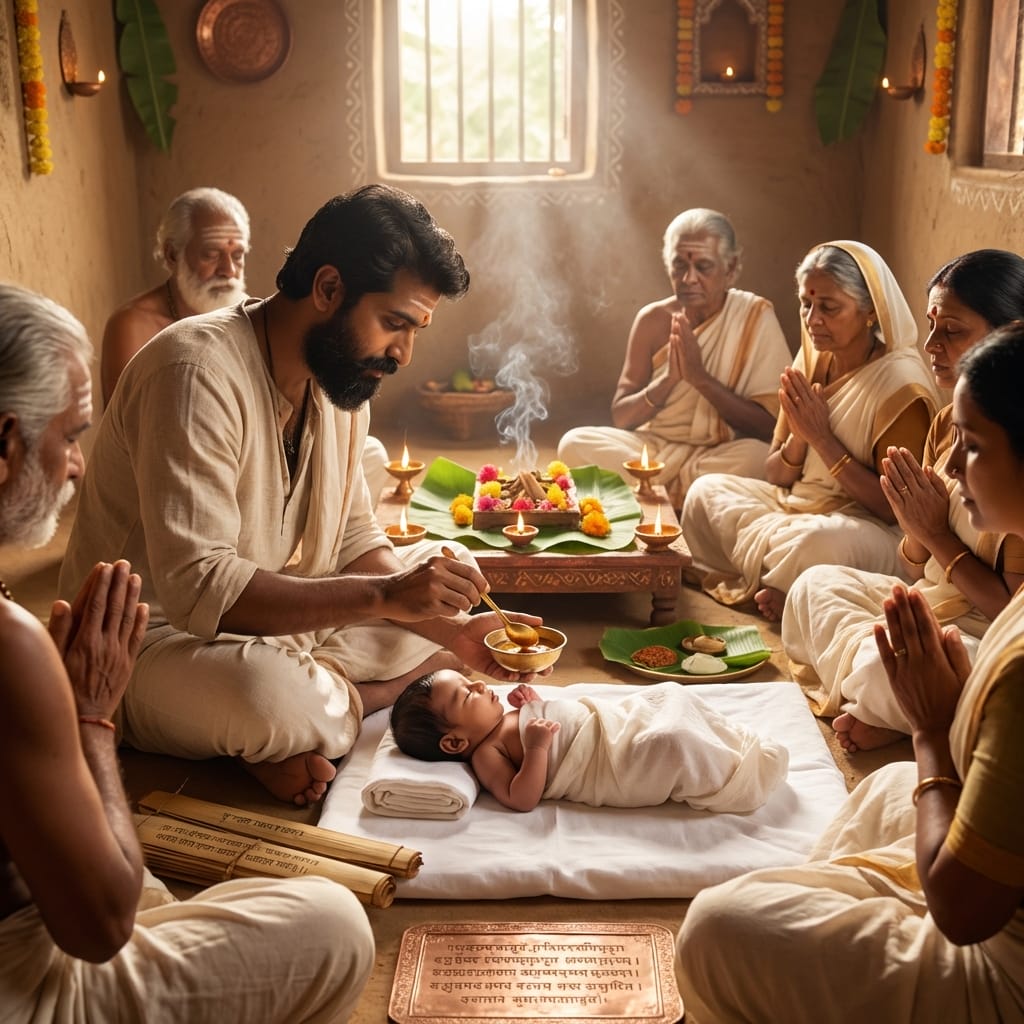
Childhood Sanskars (Shishu Sanskars)
शिशु संस्कार
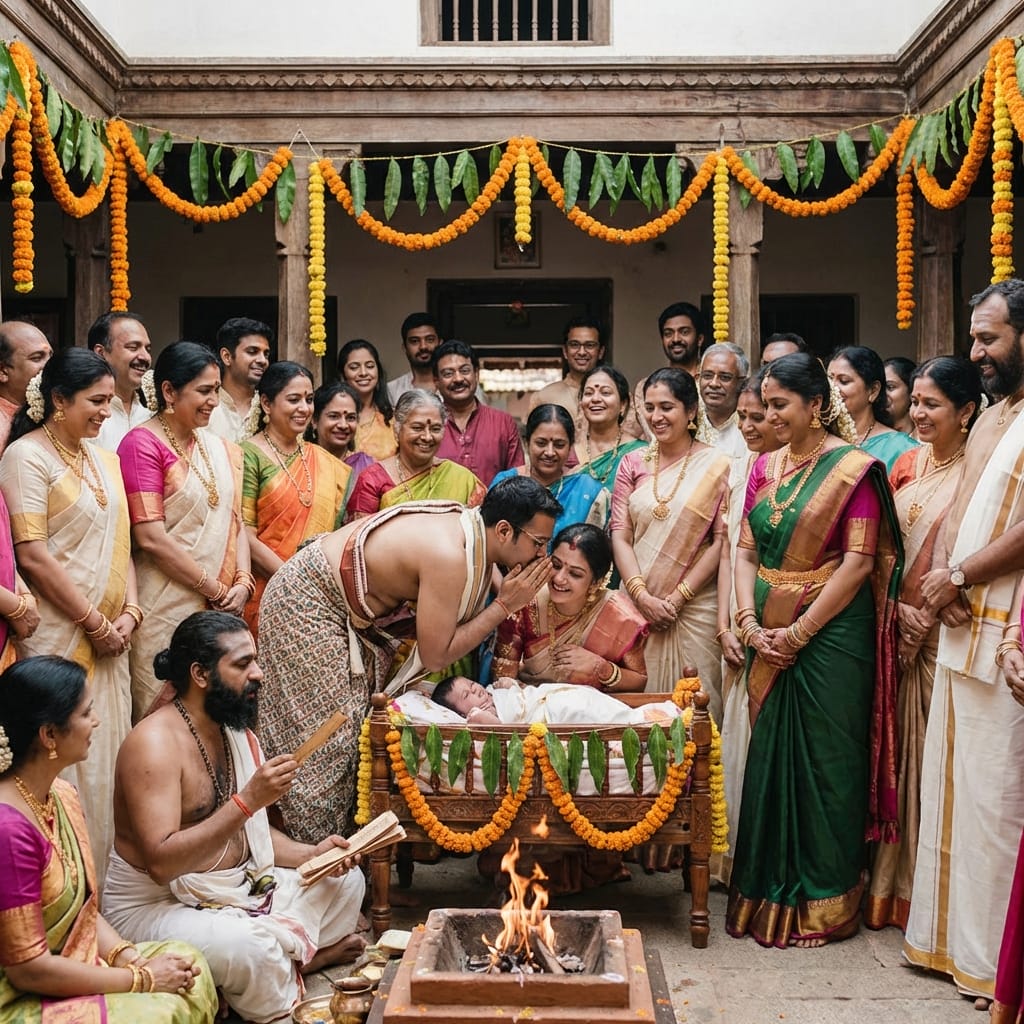
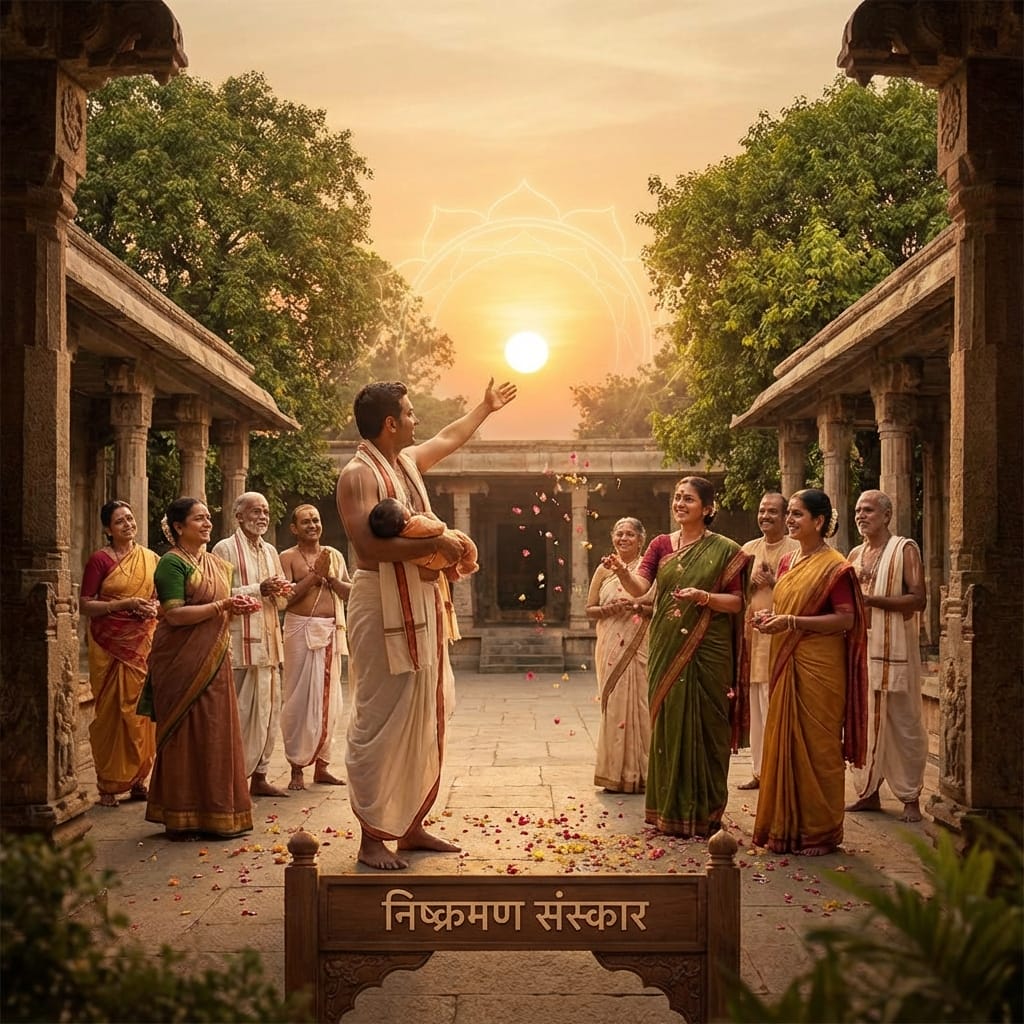
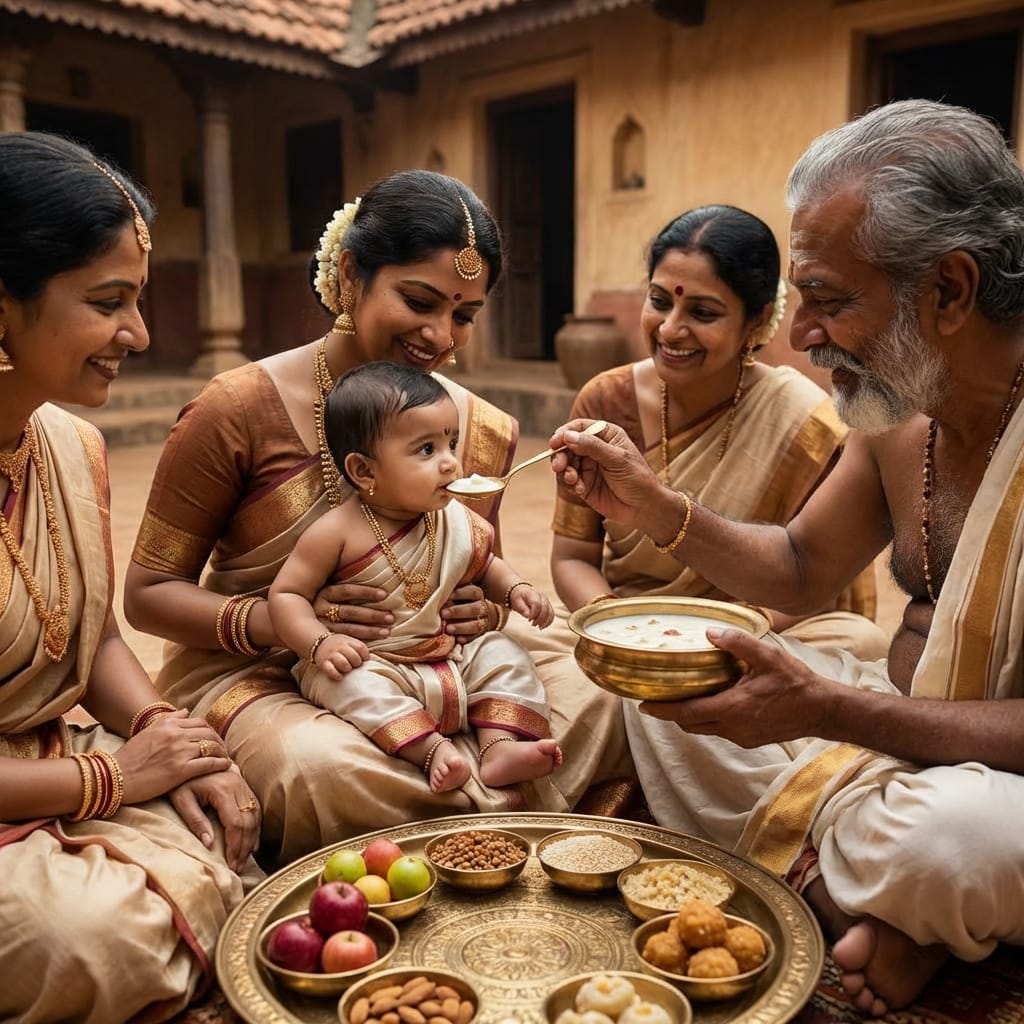
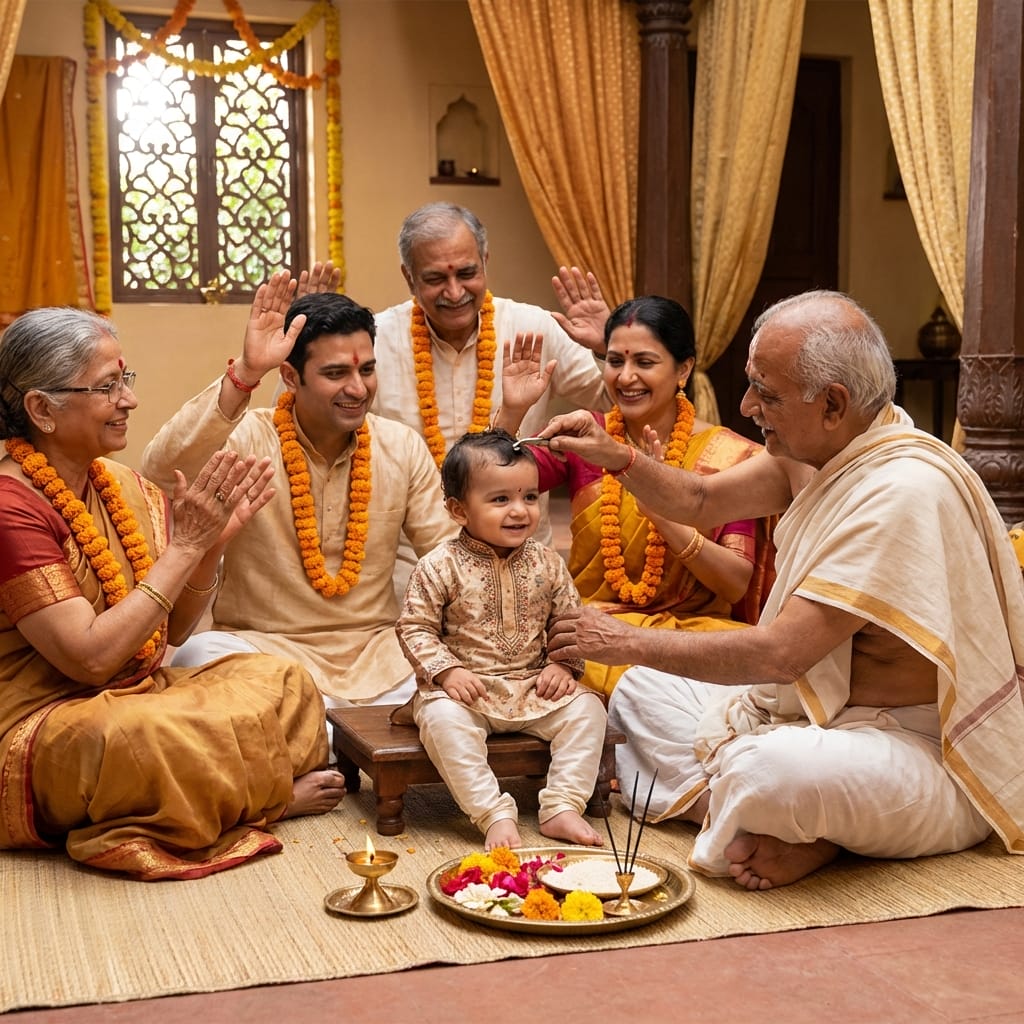
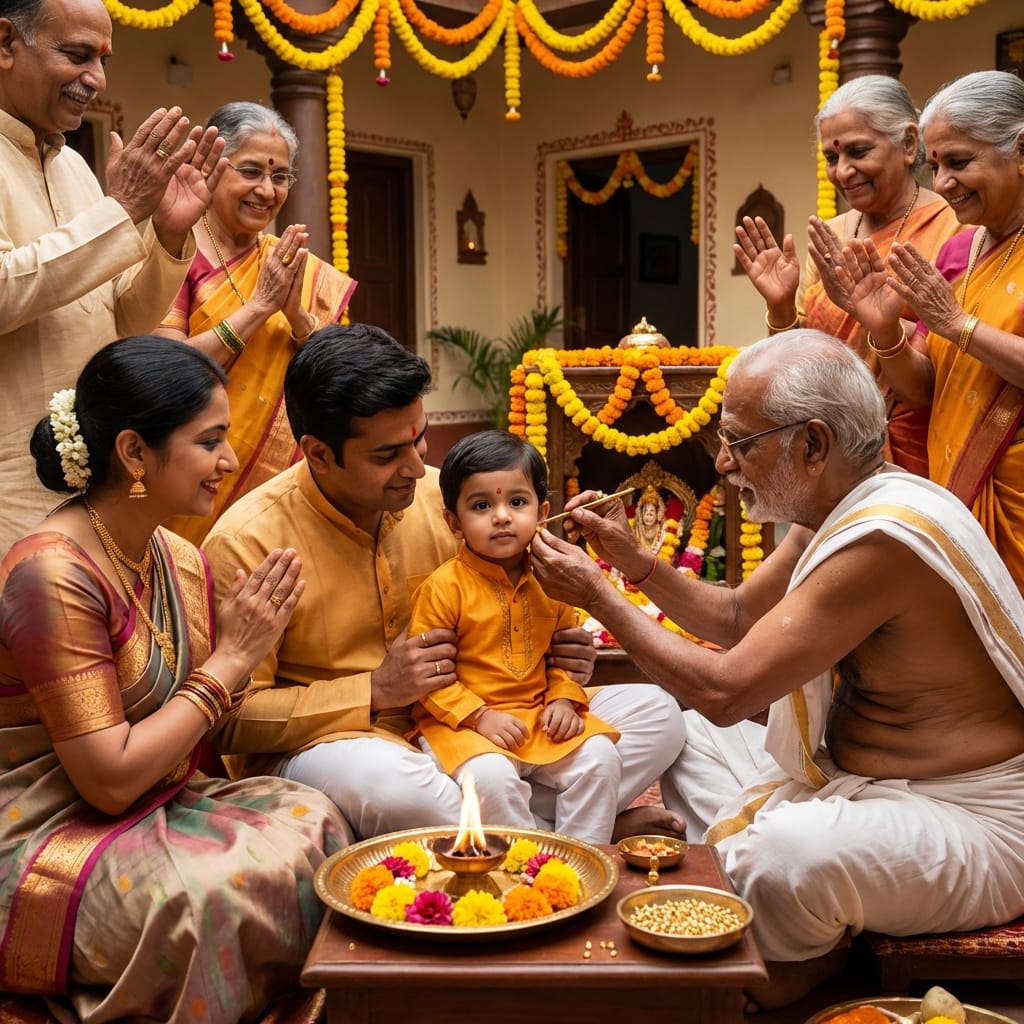
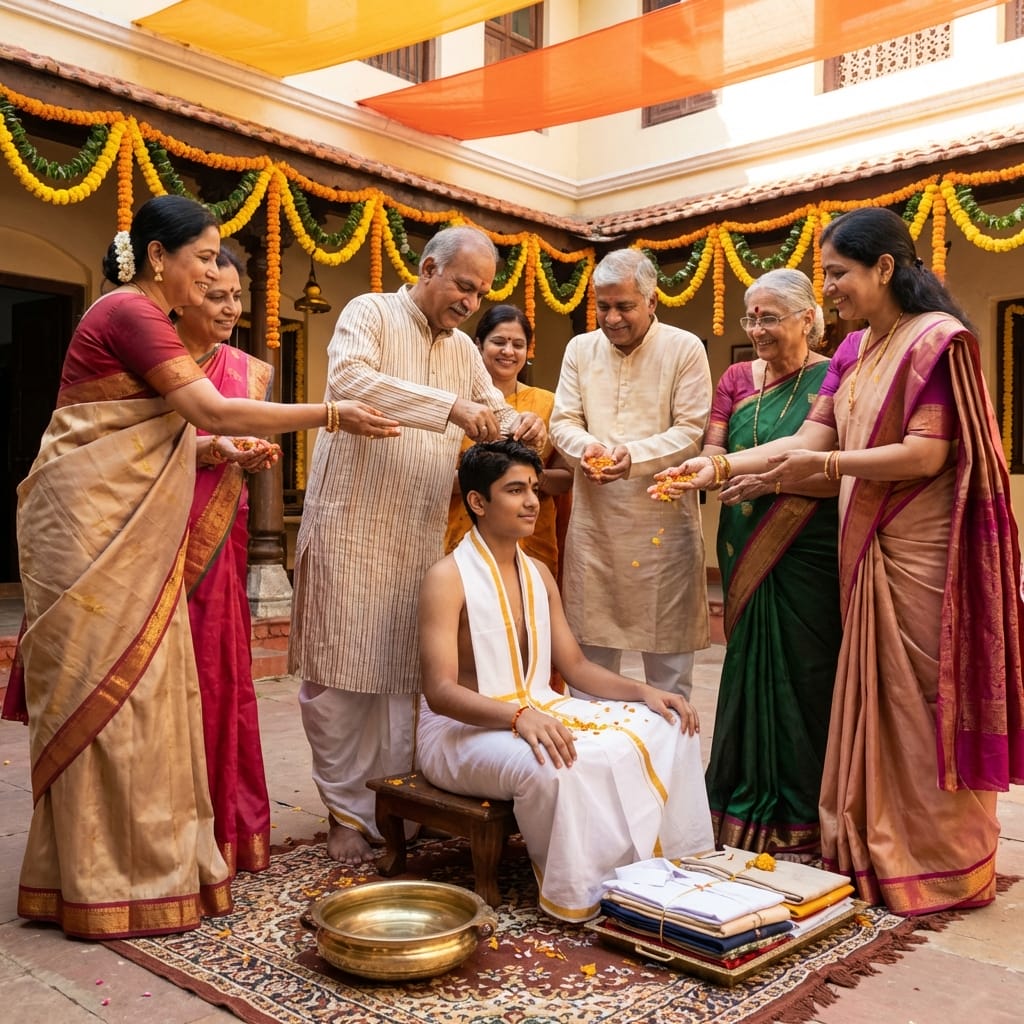
Six Sanskars from birth through early childhood covering key developmental milestones: Jatakarma (birth), Namakarana (naming), Nishkramana(first outing), Annaprashana (first solid food), Chudakarana (first haircut), and Karnavedha (ear piercing).
Educational Sanskars (Vidya Sanskars)
विद्या संस्कार
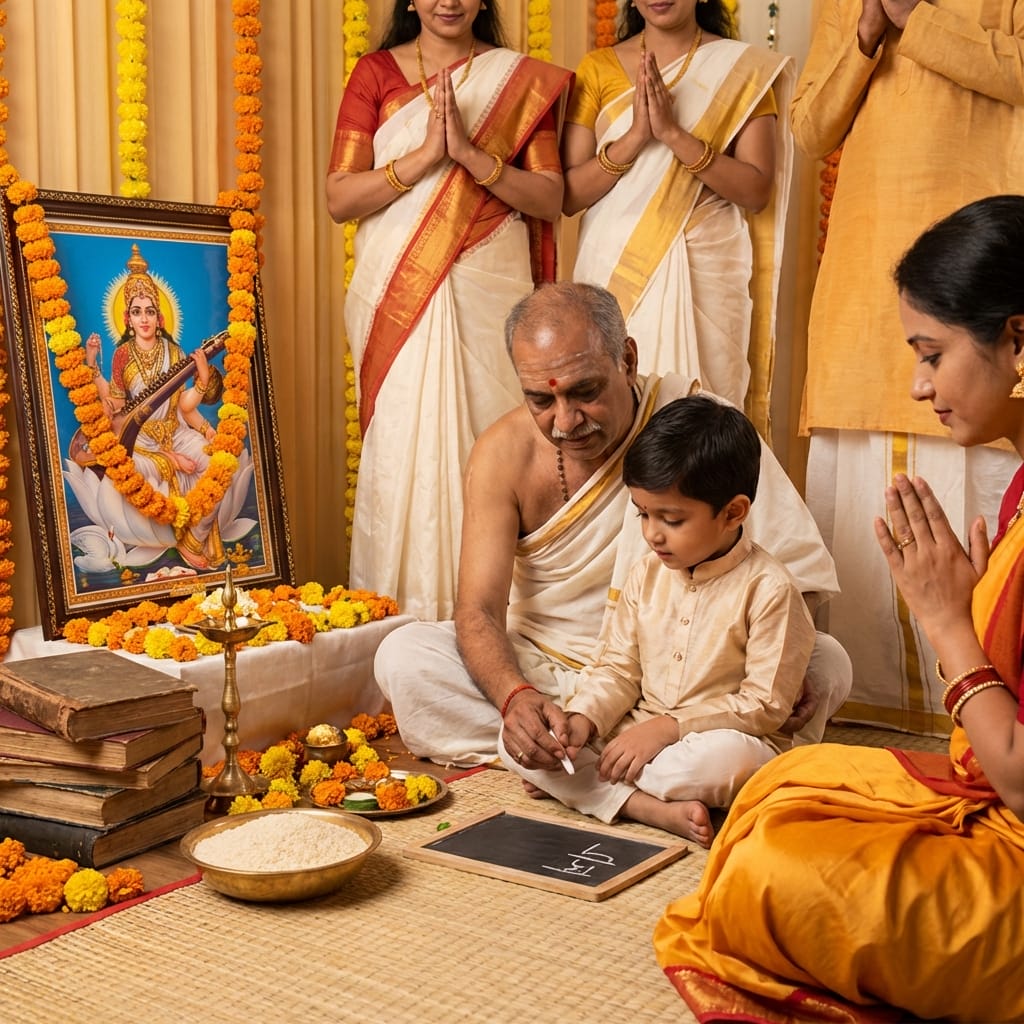
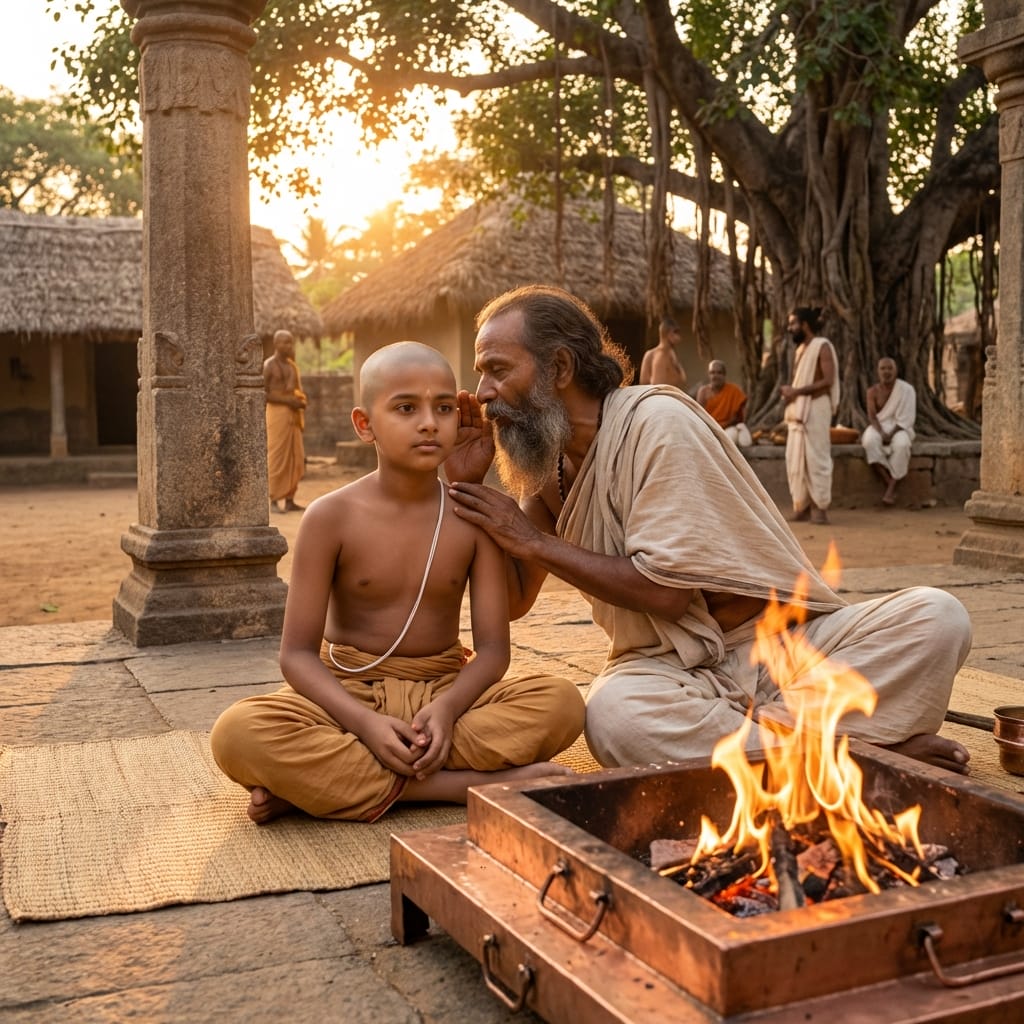
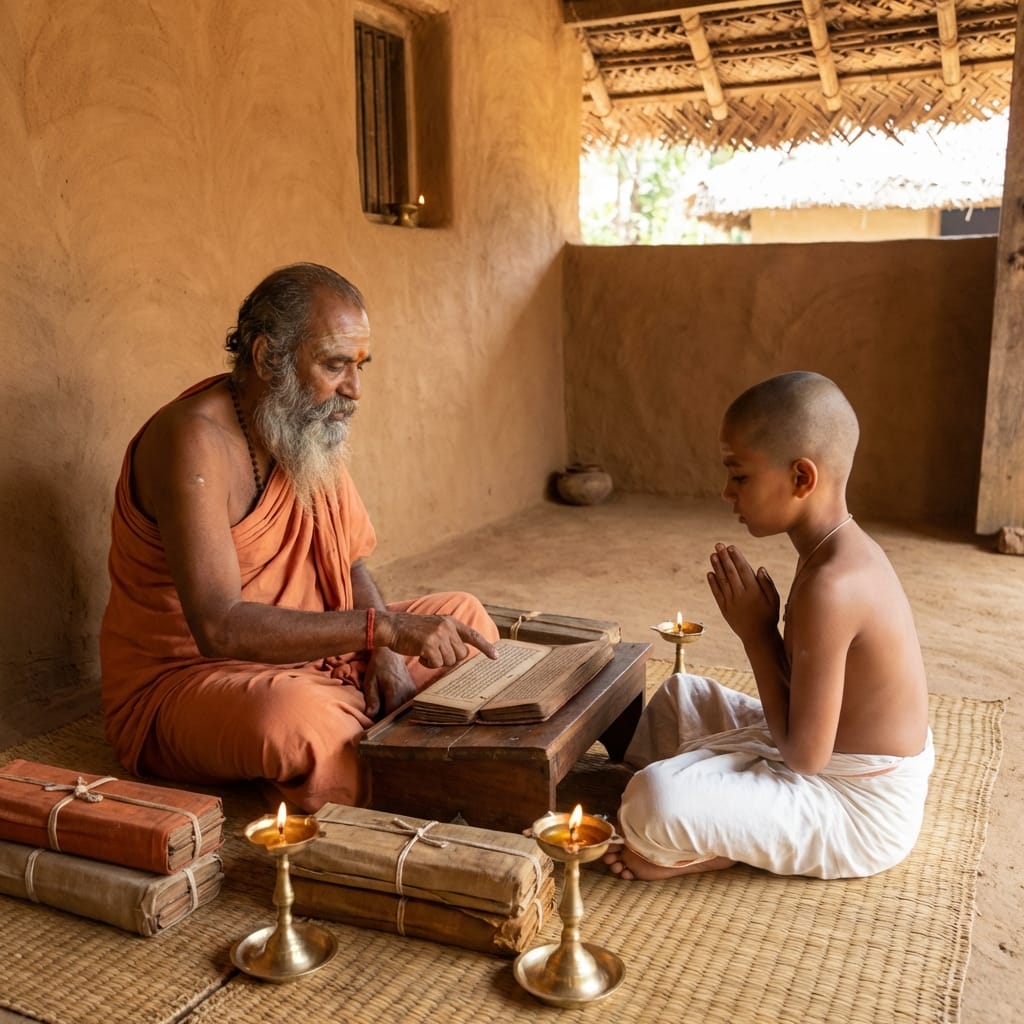
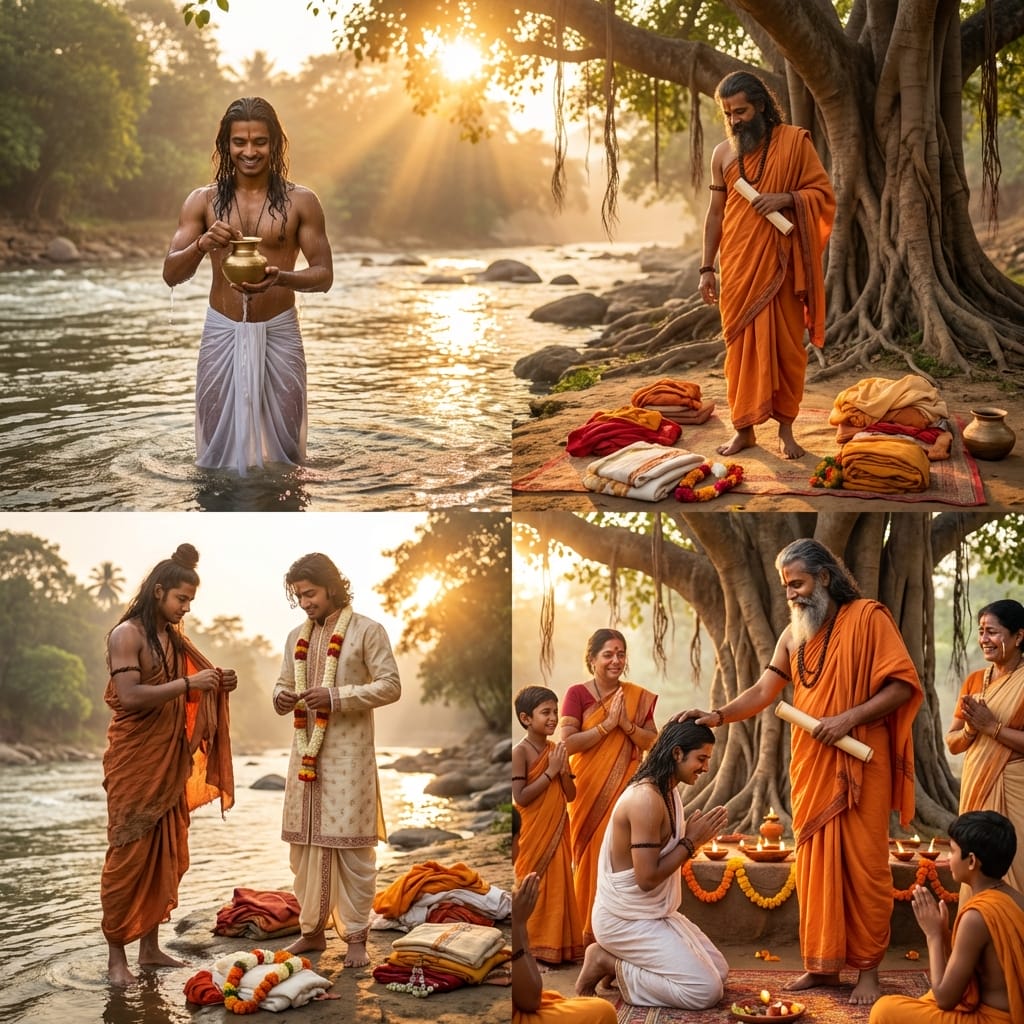
Five Sanskars related to education and the transition to adulthood: Vidyarambha (beginning of learning), Upanayana (sacred thread initiation), Vedarambha (Vedic study), Keshanta (first shave), and Samavartana (graduation from studies).
Marriage Sanskar (Vivaha Sanskar)
विवाह संस्कार
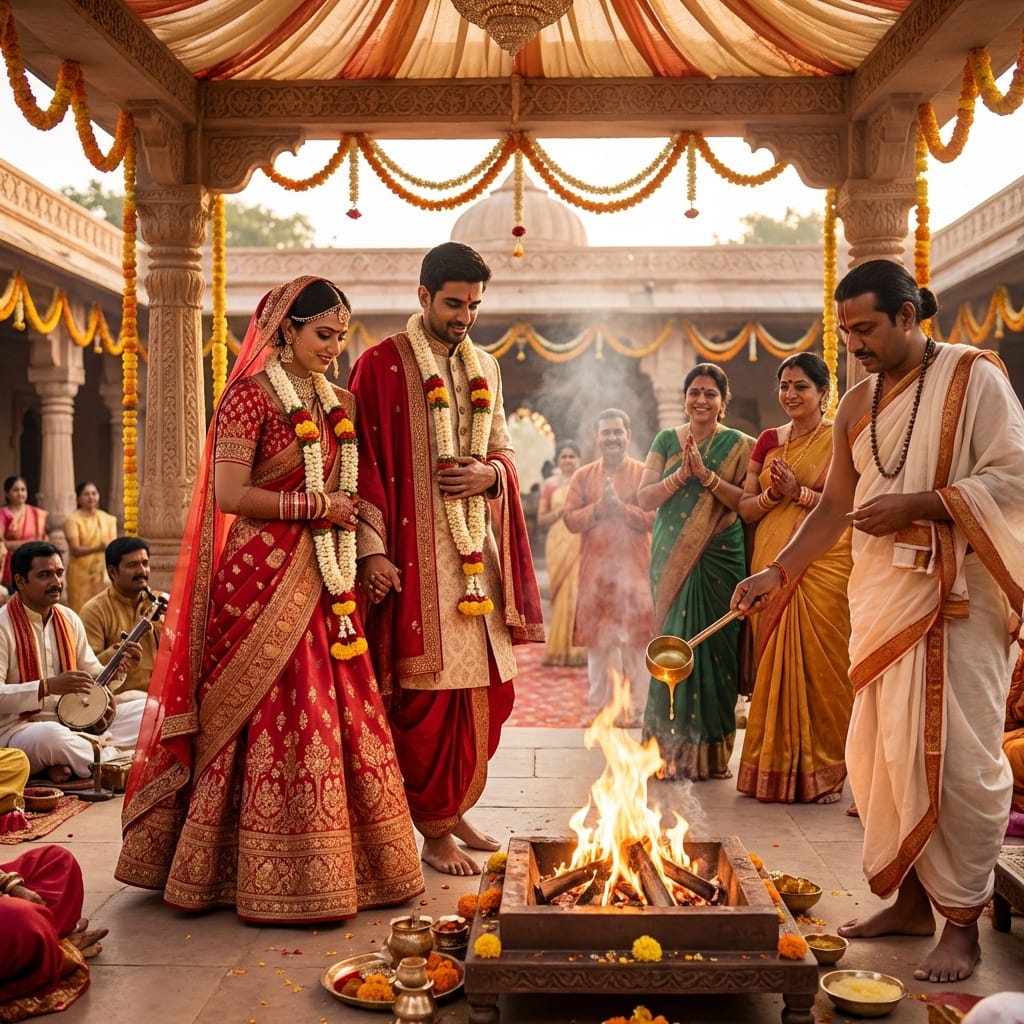
The most elaborate Sanskar marking the union of two souls and entry into the householder stage (Grihastha Ashrama). It involves sacred vows, fire rituals, and community blessings.
Final Sanskar (Antyeshti Sanskar)
अंत्येष्टि संस्कार
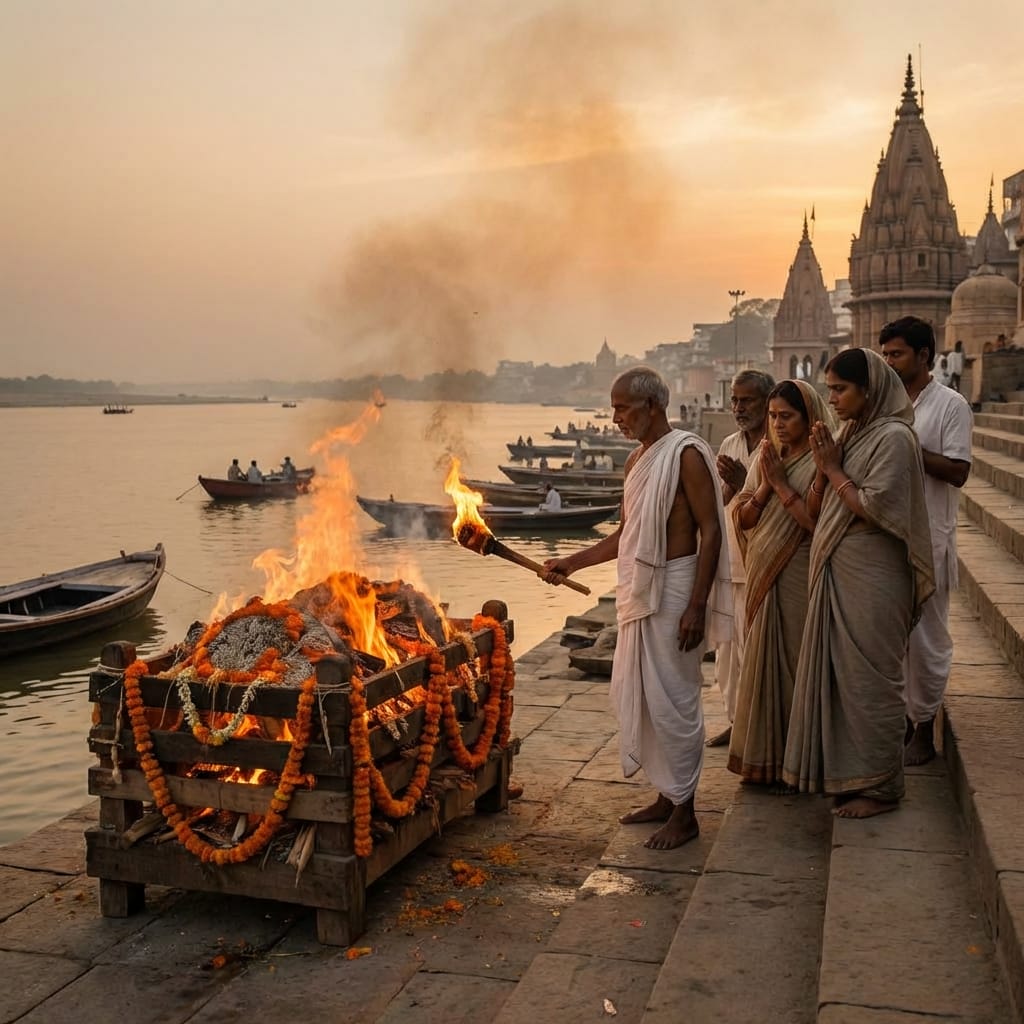
The last rites performed after death to honor the departed soul and assist its journey to the next realm. It includes cremation and post-cremation rituals.
The 16 Sanskars in Order
16 संस्कार क्रम में
Why It Matters
यह महत्वपूर्ण क्यों है
Holistic Development – The Sanskars address physical, mental, emotional, and spiritual growth throughout the entire lifespan.
Ayurvedic Integration – Many prenatal and childhood Sanskars incorporate Ayurvedic principles for optimal health and development.
Psychological Benefits – Rituals mark transitions, providing psychological preparation and community support during life changes.
Spiritual Purification – Each Sanskar is believed to remove negative karma and impressions, purifying the soul for spiritual evolution.
Cultural Continuity – These traditions connect modern Hindus with their ancient heritage, preserving Vedic wisdom across millennia.
Community Bonding – Sanskars are social events that strengthen family ties and community relationships.
What's Inside
इसमें क्या है
- 3 Pre-natal Sanskars – Garbhadhana, Pumsavana, Simantonnayana for prenatal care.
- 6 Childhood Sanskars – From birth to early childhood developmental milestones.
- 5 Educational Sanskars – Covering the journey of learning from first letters to graduation.
- 1 Marriage Sanskar – Vivaha, the sacred union and entry into householder life.
- 1 Final Sanskar – Antyeshti, the respectful final rites after death.
- Vedic Mantras – Each Sanskar involves specific sacred verses and rituals.
- Life Stage Guidance – A complete roadmap from conception to liberation.
Frequently Asked Questions
अक्सर पूछे जाने वाले प्रश्न
What is the meaning of Sanskar?
Sanskar comes from the Sanskrit root "Sam-skri" meaning "to purify," "to refine," or "to perfect." It refers to rites of passage that purify and refine an individual at various life stages.
Are all 16 Sanskars mandatory to perform?
While traditionally all 16 were considered important, today many families observe key Sanskars like Namakarana (naming), Annaprashana (first feeding), Upanayana (sacred thread), Vivaha (marriage), and Antyeshti (last rites). The practice varies by family tradition and regional customs.
What is the significance of performing Sanskars with Vedic mantras?
Vedic mantras are believed to carry divine vibrations that purify the environment and the individual. They invoke divine blessings and create positive spiritual impressions (Samskaras) that influence one's character and destiny.
Can Sanskars be performed in modern times?
Yes, many Sanskars are still widely performed today, though sometimes in simplified forms. Modern Hindu families continue to observe key ceremonies, adapting them to contemporary lifestyles while maintaining their spiritual essence.
What is the scientific basis of Sanskars?
Many Sanskars align with modern developmental psychology and health science. For example, Annaprashana coincides with when babies can digest solid food, Mundan (haircut) relates to scalp health, and rituals marking life transitions provide psychological support during change.
Do all Hindu communities perform the same 16 Sanskars?
While the core 16 Sanskars are common, there are regional variations in how they are performed. Different communities and Vedic schools (Shakhas) may have slight differences in the rituals, mantras, and timing.