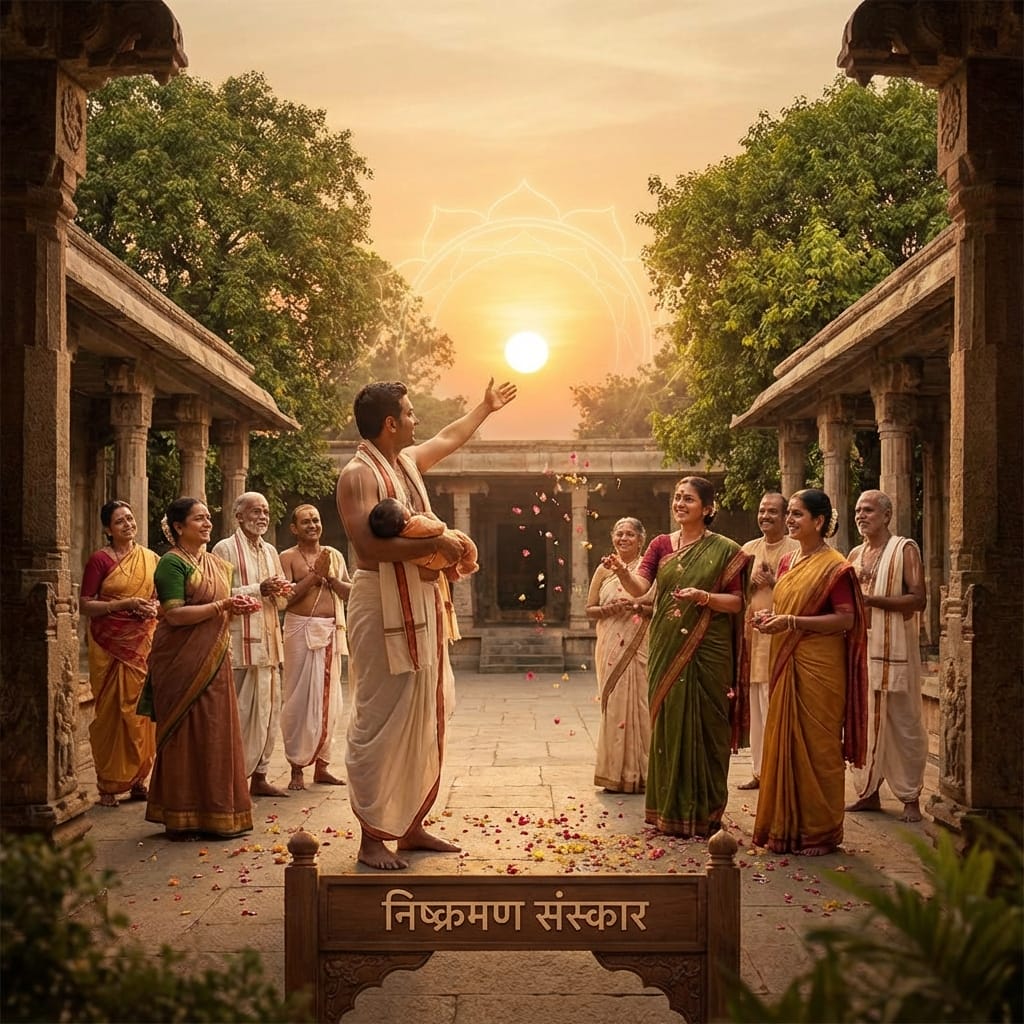
About Pumsavana Sanskar - Pregnancy Protection & Fetal Development Ritual
Pumsavana Sanskar - Pregnancy Protection & Fetal Development Ritual के बारे में
Pumsavana Sanskar (पुंसवन संस्कार), also known as the Pregnancy Protection Ritual or Prenatal Ceremony, is the second of the 16 Shodasha Sanskars. It is performed during the second or third month of pregnancy to ensure the healthy development of the fetus and protect both mother and child from negative influences.
The word "Pumsavana" is derived from "Pumsa" (male progeny or vitality) and "Ava" (to generate or protect). While historically associated with desiring a male child, the modern interpretation focuses on ensuring fetal strength, vitality, and healthy development regardless of gender.
This Sanskar combines Vedic rituals with Ayurvedic practices designed to support the crucial early stages of pregnancy. During the 2nd-3rd month, major organs are forming in the fetus, making this a critical period for health interventions and spiritual protection.
The ceremony involves special herbal preparations, specific mantras, dietary guidelines, and rituals performed by a priest or experienced elder. Modern expectant parents appreciate how these ancient practices align with contemporary prenatal care, emphasizing maternal health, stress reduction, and fetal well-being.
Science & Ayurveda Behind Pumsavana
वैज्ञानिक और आयुर्वेदिक आधार
The 2nd-3rd month timing of Pumsavana aligns perfectly with critical fetal development:
Organogenesis (Critical Window): Between weeks 5-10, all major organs begin forming—heart starts beating at 6 weeks, brain develops rapidly, limbs form. This is the most vulnerable period. Ayurvedic interventions emphasize protecting this crucial phase through maternal diet and stress reduction.
Prenatal Stress Hormones: Modern research confirms that maternal stress releases cortisol, which crosses the placenta and can affect fetal brain development. Pumsavana's focus on creating a peaceful, supported environment for the mother directly reduces cortisol levels, protecting the developing fetus.
Nutritional Science: The Ayurvedic diet recommendations (Shatavari for hormonal balance, ghee for brain development, iron-rich foods, avoiding heat-generating foods) align with modern prenatal nutrition. Shatavari contains phytoestrogens supporting healthy pregnancy hormones. Ghee provides essential fatty acids for fetal brain lipid formation.
Herbal Safety (Nasya Caution): While traditional Nasya (nasal administration) was practiced, modern understanding emphasizes caution with any herbal interventions during pregnancy's first trimester. This is why contemporary practice often skips physical interventions and focuses on dietary and spiritual aspects.
Community Support & Mental Health: The ceremony's communal aspect provides crucial emotional support. Research shows pregnant women with strong social support have lower rates of prenatal depression, better pregnancy outcomes, and healthier babies.
Ayurvedic Timing Science: Pumsavana's specific month timing recognizes when the fetus transitions from pure cellular division to organ formation—a distinction Ayurveda made millennia before modern embryology.
Mantra Therapy: Chanting mantras lowers maternal blood pressure, reduces anxiety, and creates rhythmic breathing patterns that increase oxygen supply to the fetus. The vibrations may also stimulate maternal-fetal bonding.
Ancient Wisdom in Prenatal Care
प्रसवपूर्व देखभाल में प्राचीन ज्ञान
Pumsavana Sanskar is described in detail in the Atharvaveda, Grihya Sutras (household ritual texts), and Ayurvedic classics like Charaka Samhita and Sushruta Samhita. These texts provide comprehensive guidelines for protecting pregnancy and ensuring fetal health.
The 2nd-3rd month timing is significant in Ayurveda as it's when the fetus's major organs begin forming. Ayurvedic texts prescribe specific herbs (like Shatavari, Yashtimadhu), diet modifications, and lifestyle practices to support this critical developmental phase.
Historically, Pumsavana involved administering herbal nasal drops (Nasya) to the pregnant woman, believed to balance hormones and protect the fetus. The ritual also included prayers to Vishnu (the preserver) and Dhanvantari (deity of Ayurveda) for protection and vitality.
While ancient texts sometimes emphasized male preference (reflecting historical cultural context), the core purpose was always fetal protection and healthy development. Modern practitioners focus on this universal aspect, adapting the ceremony for contemporary understanding while maintaining its spiritual and health benefits.
Components of Pumsavana
पुंसवन के घटक
Optimal Timing
उत्तम समय
Performed in the 2nd or 3rd month of pregnancy when fetal organs are forming. Specific lunar days (Pushya Nakshatra is considered highly auspicious) are chosen for maximum benefit.
Ayurvedic Interventions
आयुर्वेदिक उपचार
Administration of specific herbal preparations like Shatavari to support pregnancy. Dietary adjustments to balance doshas. Avoidance of heat-generating foods and stressful activities.
Vedic Rituals & Mantras
वैदिक विधि और मंत्र
Prayers to Vishnu and Dhanvantari. Recitation of protective mantras from Atharvaveda. Homa (fire ritual) with specific herbs for purification and divine blessings.
Mental & Emotional Support
मानसिक समर्थन
Creating a peaceful, positive environment for the expectant mother. Avoiding stress, anxiety, and negative emotions. Encouraging positive thoughts and visualization.
Pumsavana Ritual Process
पुंसवन विधि प्रक्रिया

Why It Matters
यह महत्वपूर्ण क्यों है
Critical Development Period – The 2nd-3rd month is when major fetal organs form, making this timing medically and spiritually significant.
Ayurvedic Health Support – Herbal interventions and dietary guidelines support maternal health and fetal development.
Stress Reduction – The ceremony provides emotional support and reduces pregnancy anxiety through community and spiritual connection.
Protection from Complications – Prayers and rituals invoke divine protection from miscarriage and pregnancy complications.
Alignment with Modern Prenatal Care – Many Pumsavana practices align with contemporary prenatal vitamins, nutrition, and stress management.
Spiritual Connection with Baby – Encourages parents to consciously connect with the developing child and send positive intentions.
What's Inside
इसमें क्या है
- Month-by-Month Pregnancy Guidelines – Ayurvedic practices for each trimester
- Safe Herbs for Pregnancy – Which traditional herbs are beneficial
- Mantra Therapy – How chanting affects mother and baby
- Modern Medical Perspective – How traditional practices complement modern care
- Regional Variations – Different practices across India
- Common Questions – Addressing modern parents' concerns
- Do's and Don'ts – Clear guidelines for expectant mothers
Frequently Asked Questions
अक्सर पूछे जाने वाले प्रश्न
When exactly should Pumsavana Sanskar be performed?
Pumsavana is traditionally performed in the 2nd or 3rd month of pregnancy, ideally when conception is confirmed and early pregnancy is stable. Specific auspicious days are chosen based on the lunar calendar, with Pushya Nakshatra being highly favorable. Modern families often align this with the first trimester ultrasound screening.
Is the Ayurvedic Nasya procedure safe during pregnancy?
Traditional Pumsavana involved herbal nasal administration (Nasya), but this should ONLY be done under the guidance of a qualified Ayurvedic physician who specializes in pregnancy care. Many modern families skip this component and focus on prayers, mantras, and dietary guidelines. Always consult your healthcare provider before any herbal intervention during pregnancy.
Can Pumsavana be performed if there are pregnancy complications?
If there are medical complications, prioritize your doctor's advice. The spiritual aspects (mantras, prayers, positive visualization) can still be practiced as they promote mental peace. The physical rituals or herbal interventions should be discussed with both your Ayurvedic consultant and allopathic doctor. Prayer and positive intention never conflict with medical care.
Does Pumsavana really influence the baby's gender?
The historical interpretation focused on male progeny, but gender is determined at conception by genetics. The modern, ethical understanding of Pumsavana focuses on fetal vitality, healthy development, and protection - beneficial for any baby regardless of gender. Contemporary practitioners emphasize this universal protective aspect.
What dietary changes are recommended during Pumsavana?
Ayurveda recommends a sattvic (pure) diet: fresh fruits, vegetables, whole grains, milk, ghee, nuts, and dates. Avoid rajasic (stimulating) and tamasic (heavy/stale) foods. Specific recommendations include: more sweet, nourishing foods; avoiding very spicy or fried items; eating freshly prepared meals; and staying hydrated. These align well with modern prenatal nutrition.
Can working mothers perform simplified Pumsavana at home?
Absolutely! While traditional ceremonies involve priests and elaborate rituals, the essence can be captured at home. Light a lamp, offer prayers to your deity, chant simple mantras like "Om Namo Bhagavate Vasudevaya," visualize a healthy baby, and maintain a nutritious diet. The most important element is the positive intention and conscious care for the pregnancy.
Scientific References & Citations
- Fetal Development: The 1st Trimester — Mayo Clinic
- Impact of Maternal Stress on Fetal Development — National Institutes of Health (NIH)